Finding Connection Through Nature

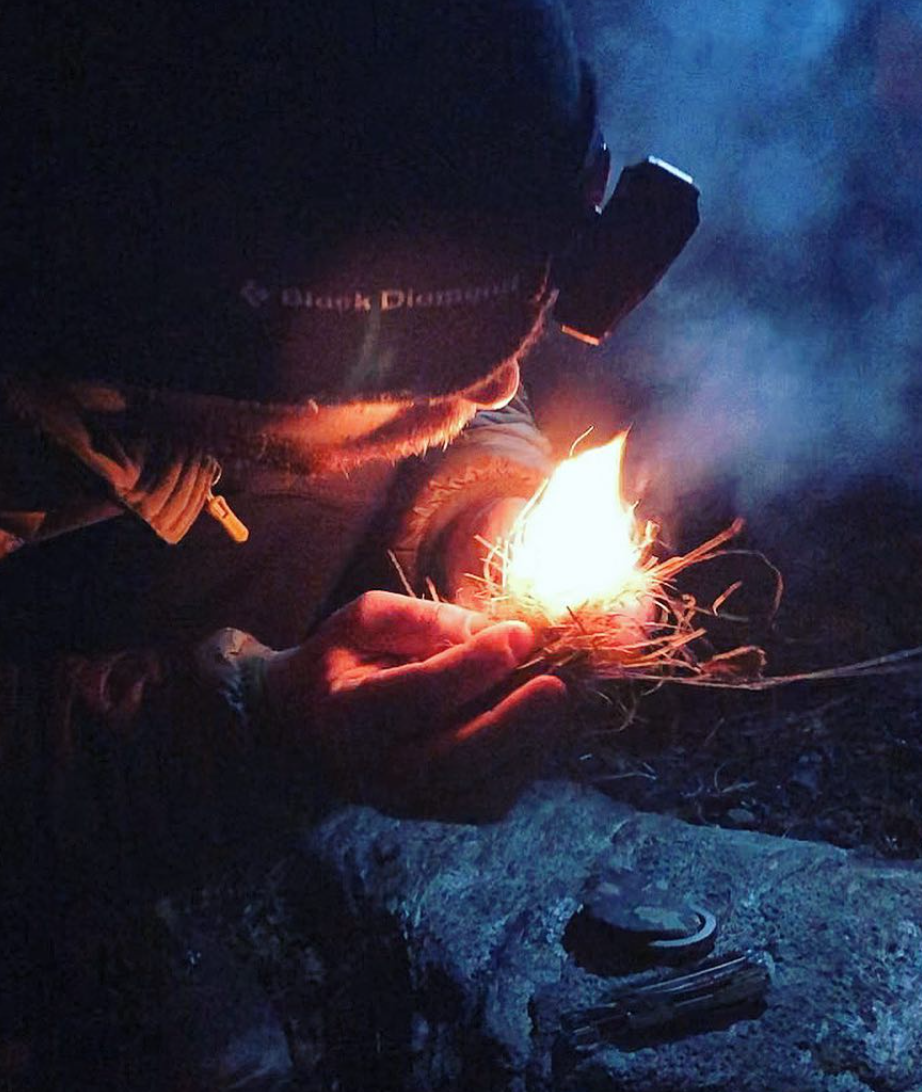
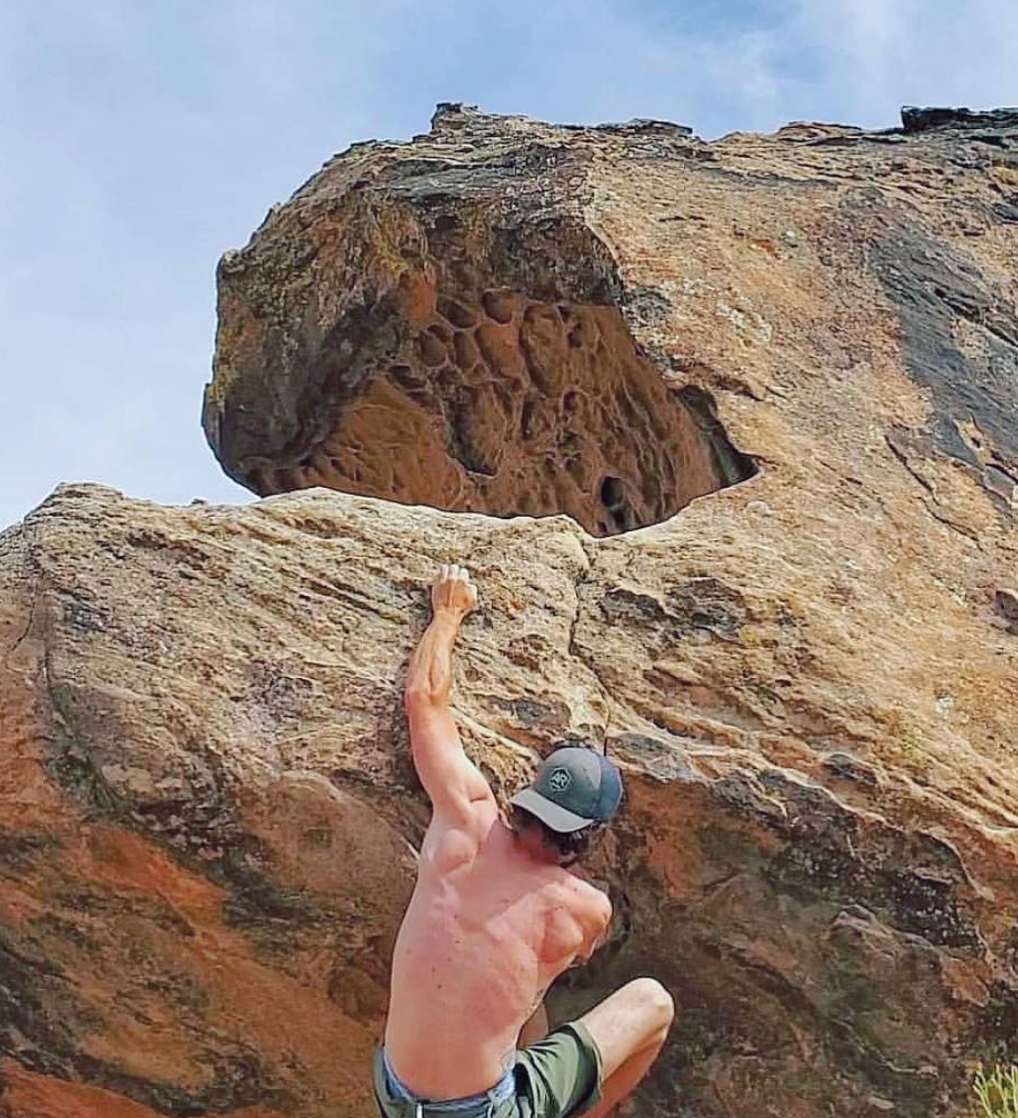
When we explore nature, learn new skills, and engage in adventures together, we are brought into the moment and led on an evolutionary path that confronts perceived limits, challenges us, and fosters connections. The willingness to learn new skills and tools puts us in a positive position for mental health and resilience. The flexible mind is a healthy mind. When we are teachable, we cultivate this flexibility. This is how we build community.
Research shows that relationships built around shared interests can have profound, lifelong impacts, personally and professionally. In addition, studies find that these relationships can impact our physical health and our sense of place and belonging in the world. This is significant, especially for those of us on the path of discovery and recovery.
Mentorship Through Adventure
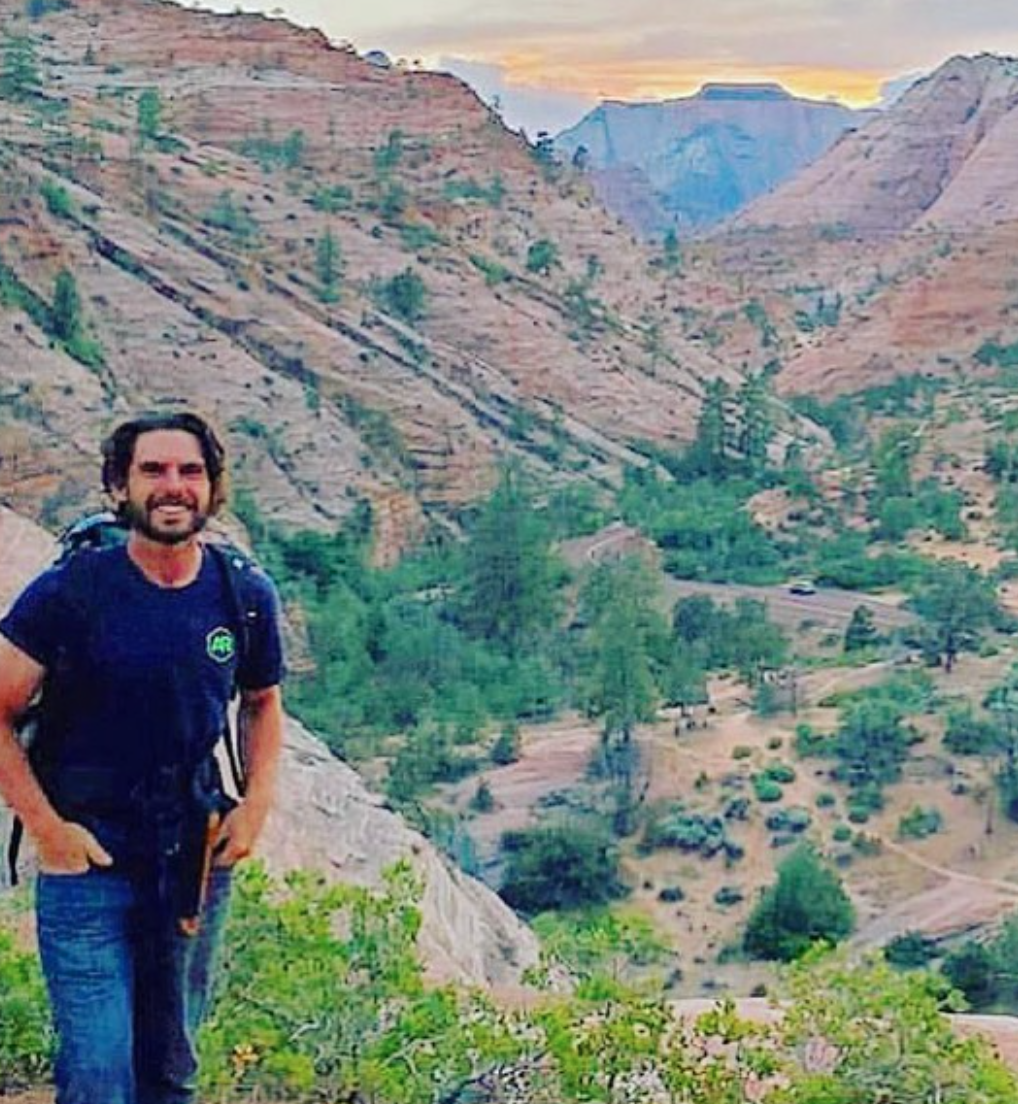
Relationships built through outdoor experiences can be rich and dynamic. The tradition of learning from those who’ve come before and mentoring each other as we learn establishes a deep connection. Adventure Recovery National Field Director, Nate Bennick, shares his take on recovery, the adventure experience, and why mentorship is meaningful to him.
When I engaged in unhealthy behaviors, I was alone and isolated. I remember dreaming of a life for myself and so desperately wanting it—to feel free, to experience fully, to have meaningful relationships. Unfortunately, I found myself living out another person’s image of what my life should be. I was unhappy and unfulfilled. In addition, living through the eyes of others led me to destructive tendencies. I wasn’t being true to myself and really didn’t know who I am. I always desperately wanted someone to just give me permission to go out and be who I wanted to be but was always disappointed when given an answer that was incongruous with my own thoughts. I was living with a limited belief in myself. Because of this, I could not trust the sense to take action.
Learning to Trust
Fortunately, there are times in my life when I find a mentor who I truly trust—someone who knows me completely and knows my dreams. Recovery taught me that it’s OK to reach out and ask for help. What’s more, it’s necessary. Problems shared are problems halved. When we reach out to others, we can never know how our experience may impact them, how it could be helpful.
There are moments when I go to these individuals with a problem and the response is them asking me what I think is best. The people that I let into my life believe in me and my capacity to change. They know me and know that I am on a path. What’s more, because I’ve shared my inner world, they know what I need. As a result, my mentors inspire me to challenge myself, to create, to achieve. To feel someone’s belief in me means a great deal. When I first started to find these guides, it was a bit awkward for me and I may still have moments. I question whether they might judge. But as soon as I open up, that fear subsides. My mentors encourage me and point me in the direction of my dreams. As a result of my openness, they can share specific experiences that they know will benefit me because they truly know me. Hence, after having these experiences, I begin to build confidence and esteem. This is a life-changing practice.
Building A Sense of Self
As my sense of self grows, so does my ability to live fully. I find myself doing the things about which I dreamed. And as my dreams and reality become one, I develop a tangible faith—in myself and others; in the greater picture. Also, I have someone in my life who really understands me, who inspires me, and who believes in me.
I am human. I make mistakes and get lost in moments. But my close mentorship relationships provide me with someone to remind me to admit when I’m wrong. My mentor reminds me of my desired path. Consequently, they can confront me when I am limiting myself. This has an impact on me greater than any words can do justice. There is profound power in speaking something into existence. To share a plan, a dream, a wish with another human being allows for these ideas to evolve into action.
These relationships have granted me someone who is a teacher, coach, confidant, and most importantly a lifelong friend. Sharing in achievement magnifies the growth. It makes the dreams real.
To those who have guided me in my sobriety, my professional life—who have pushed me to show up fully in all arenas—thank you. I could not have done it without you.
If you are wondering whether you might benefit from a mentor—a coach or a guide—know that you will never regret the connections you make. You will only regret the ones you don’t.
—Nate Bennick, Field Supervisor at Adventure Recovery