
Winter Mental Health
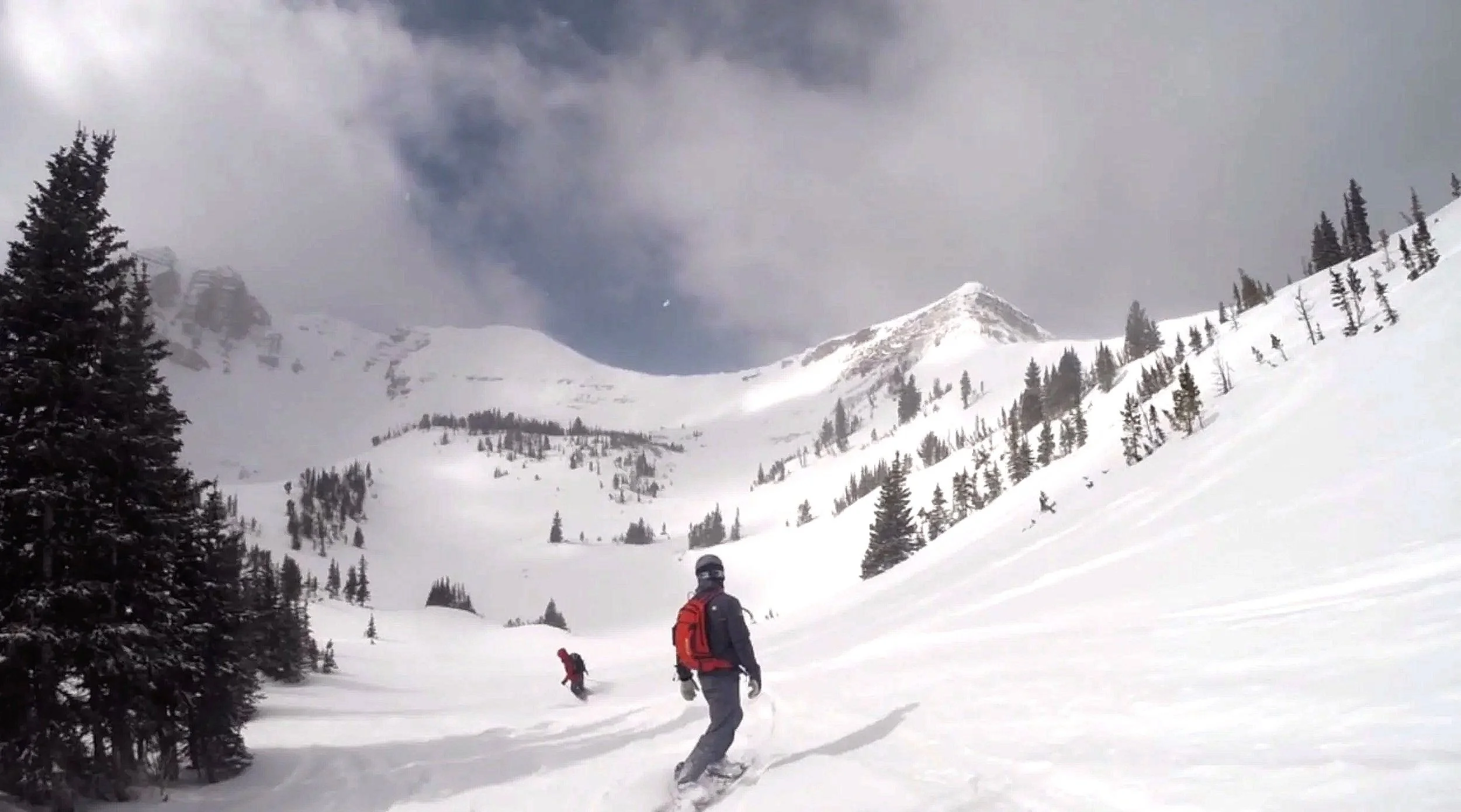
AR team members enjoying the Rockies near Jackson Hole
When colder, shorter days settle in, many of us retreat indoors, and our mental health can suffer. But for those willing to venture out, winter invites us to expand. When we push ourselves past known comfort for unknown challenges, we engage in a process of creativity and self-empowerment that can be profound.
Winter sports and expeditions aren't just adventures—they’re opportunities to expand rather than contract. It’s only when we get out there that we can experience the wonder and awe.
RESOURCE HIGHLIGHTS
-Studies continue to reveal that getting outside, in natural light during winter, is a significant component of our mental health, no matter the season
-Mental health in winter benefits significantly from various mental, physiological, and even spiritual components of adventure in the snow
-Studies show that winter sports offer ways to expand self-esteem, emotional self-regulation, and resilience and can be far more impactful than simply exercising indoors
-Getting outside requires some preparedness but we offer easy pro tips to get out in style
Getting Out There: Mental Health in Winter
"Winter offers some of the greatest opportunities for reflection and growth. The world grows quiet, the forest stills, and the sun begins to warm me. I listen to my heartbeat and watch my breath rise in mist as I work my way through the mountains."—Nathan Bennick, AR field director
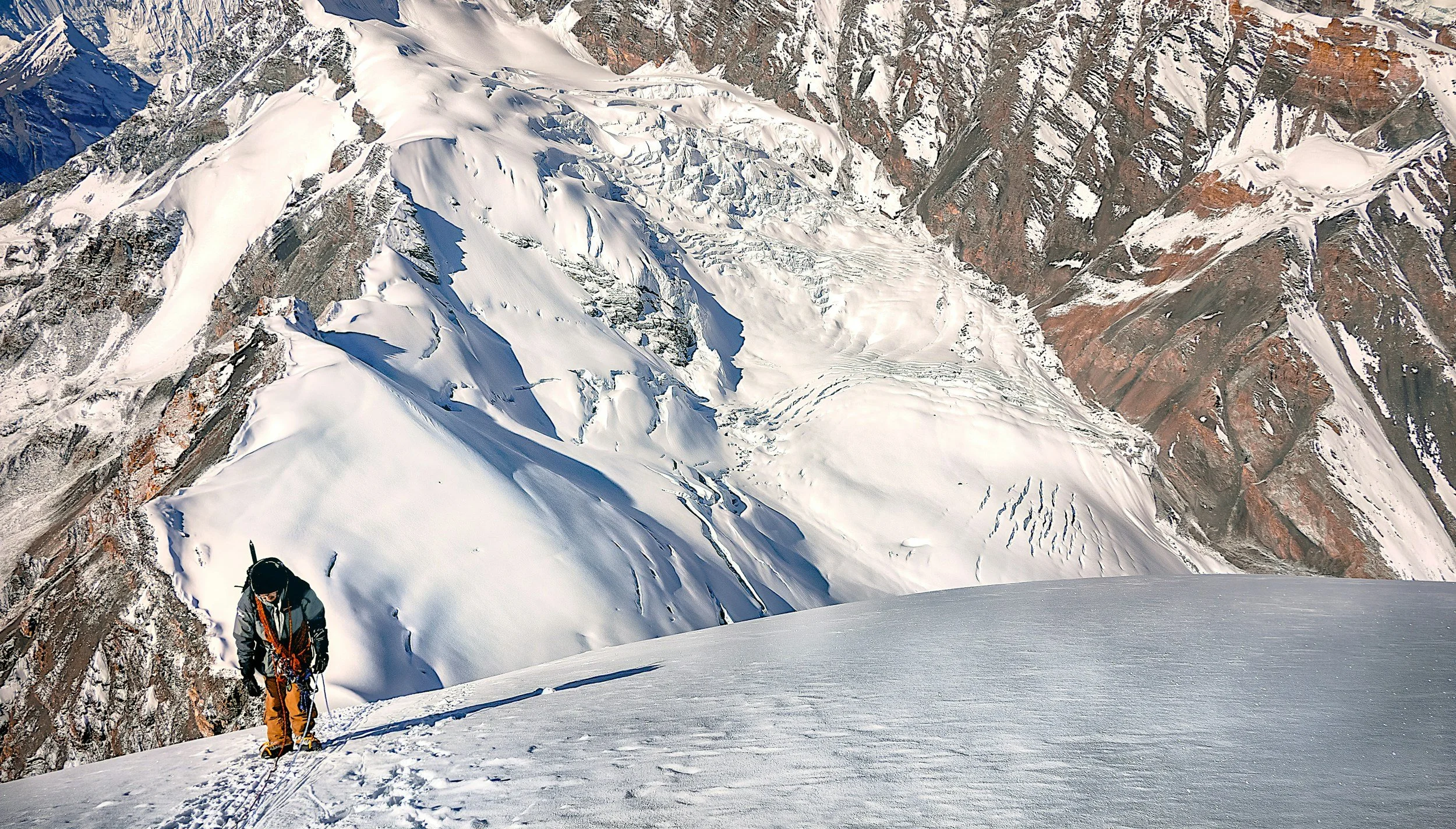
Image courtesty of unsplash
Getting outside during the colder months is highly beneficial to mental health. Winter adventure creates space for grounding and exploration. There are distinctive qualities that characterize being outdoors in the winter. Stark landscapes, frozen terrain, and the beaming sun challenge us to push past limits and overcome hesitation. The snowy season can also bring peace and beauty. It’s a time of contrasts.
The quiet reprieve of snow and ice blanket in shades of gray and white. Snow muffles sounds, creating a cathedral-like hush. Wildlife activity slows. The wind seems to whisper at times and howl at others. In moments of stillness, you come up against yourself and your sense of capacity. In softer moments, you can hear yourself think—or better yet, simply be without the need to think at all.
Whether pushing yourself or simply reveling in the opalescent beauty of alpine peaks, the opportunity to spend time outdoors, even when it may feel challenging, is a balm for the soul. Away from screens, deadlines, headlines, and daily distractions, the mind begins to settle like snow after a storm. Questions you've been avoiding may surface gently. Insights arrive unbidden. You remember parts of yourself that were perhaps buried under daily demands. Or at the very least, you land in your skin, in the present with awareness.
Winter Preparedness and Personal Empowerment
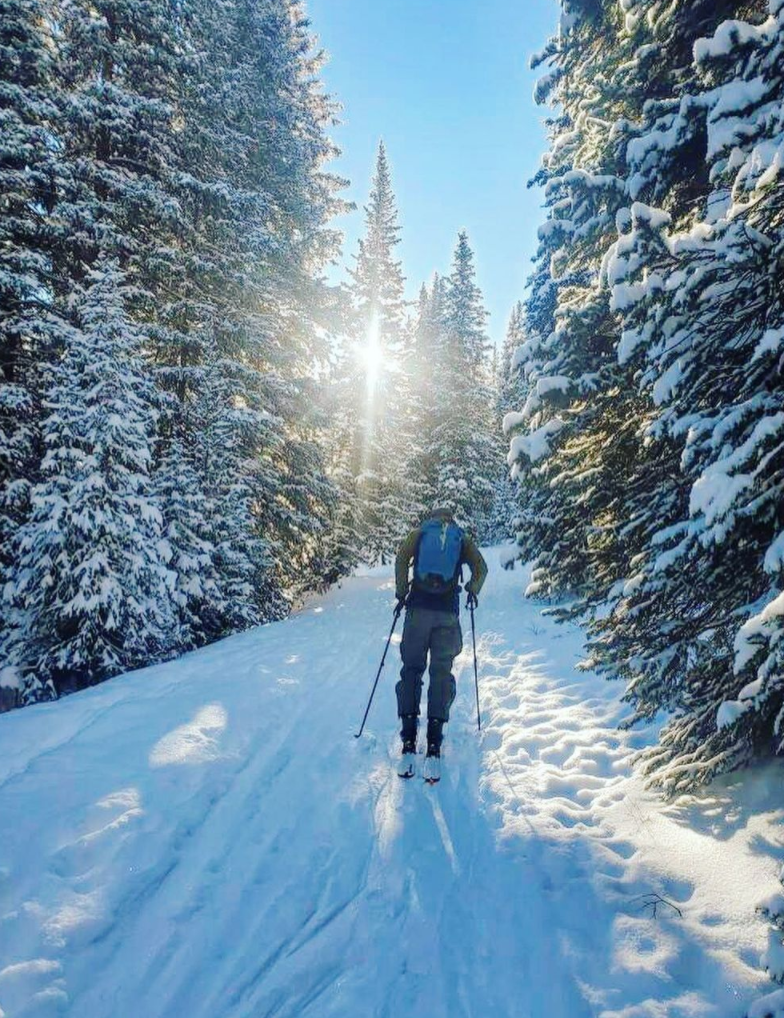
Image courtesy of Nathan Bennick, AR field director
Preparedness to face the elements is a core component of life outside, no matter the season. Any adventurer will explain—sometimes in elaborate detail—the many layers of prep, the materials worn, the navigational tools deployed, the vital supplies. Further, those who spend time in nature make sure they are clear on their approach to shelter, water, fire—and coffee—among many other aspects that are key to being outside. Part of this preparedness is also about tending to ourselves—knowing what we need and being able to satisfy those needs. Our mental health in winter invites this same nurturing.
"I seek challenge. In these moments, I am confronted with difficulty, doubt, and fear. When I turn inward to face perceived limitations, I deepen my understanding of my values, dreams, and resilience; I grow through the obstacle," adds Nathan.
Winter sports and exploration amplify the transformative power. Like all the seasons and elements, winter’s cold demands respect. The snow requires patience. The shortened days teach us to be precise. Every step through powder, every exhalation that crystallizes in the air, every moment of navigating the winter tundra is an opportunity to test ourselves—not against nature, but alongside it. In addition, we confront the unpredictable aspects of daily life in a more dramatic setting—one step could unearth a crevasse; a trail might lead to a tree well. These scenarios require presence and preparation. This makes the journey more meaningful and more memorable.
When you find your rhythm moving through deep snow, when you finally crest that ridge and see the mountains stretching endlessly before you—that's when you discover what you're capable of achieving. The summit isn't just a physical destination; it's a vantage point for viewing your own potential from a broader perspective. We confront and create ourselves in real time, with hope, compassion, and resilience.
The Science of Winter Well-Being
Beyond the spiritual and emotional benefits, winter outdoor activity delivers measurable improvements to mental and physical health. Research consistently shows that exercising in natural outdoor environments provides greater mental health benefits compared to indoor exercise, with particularly powerful effects on anxiety reduction, mood enhancement, and stress management.
Natural Light Therapy
Even on overcast days, outdoor winter light provides exponentially more illumination than indoor lighting. According to research published by Harvard Medical School, a bright sunny day delivers approximately 50,000 lux of light, while even a gray winter day provides around 10,000 lux—the same intensity as therapeutic light boxes used to treat Seasonal Affective Disorder (SAD). This natural light exposure helps regulate circadian rhythms, increases serotonin production, and combats SAD and winter depression.
A landmark study published in the Journal of Affective Disorders found that patients with SAD who took a daily one-hour morning walk outdoors showed 50% remission rates—double the remission rate of those receiving low-dose artificial light therapy. The researchers noted that this natural light exposure advanced melatonin secretion and decreased morning cortisol, providing evidence that outdoor light exposure serves as a powerful alternative or adjuvant to conventional artificial light therapy. In addition the findings demonstrate that nature is medicine. Natural light and movement early in the day is scientifically proven to directly combat anxiety and elevated cortisol levels.
The Power of Cold Exposure
Controlled exposure to cold temperatures activates remarkable physiological responses. Research from the National Institutes of Health has shown that mild cold exposure stimulates brown adipose tissue (BAT)—a specialized fat that burns calories to generate heat. This activation is accompanied by improved insulin sensitivity and enhanced glucose metabolism.
Beyond metabolic benefits, cold exposure also triggers significant neurochemical shifts. Studies show that brief cold-water exposure can spike dopamine levels by up to 250% and increase norepinephrine and endorphin production. These changes can trigger the activation of what some call happy hormones, and these processes contribute to improved mood, enhanced focus, and increased mental resilience that can last for hours following cold exposure.
Importantly, these benefits don't require extreme conditions. Research published in the journal Frontiers in Physiology notes that sustained exposure to temperatures of 66°F (19°C)—well within the range of winter outdoor activities—can increase brown fat activity and improve metabolic health over time.
Winter Exercise: Nature's Multiplier Effect
A systematic review and meta-analysis in Applied Psychology: Health and Well-Being compared outdoor exercise in natural environments versus urban environments. The findings are clear: physical activity in natural settings shows large to moderate effects in favor of nature for reducing anxiety and fatigue and increasing positive affect and vigor.
Additional research published in Environmental Science and Technology confirms that spending at least 120 minutes per week in nature can promote better health and overall well-being. The study found that exposure to natural settings triggers physiologic responses that reduce stress levels, likely due to our evolutionary connection to these environments.
Winter landscapes provide unique sensory inputs that enhance these benefits. The reflection of light off snow intensifies natural light exposure, while the visual grandeur of snow-covered peaks and forests creates what researchers call "awe-inducing" natural settings—environments that have been shown to produce positive emotional effects and improved mood states. It’s all about perspective.
Building Resilience Through Winter Stress Adaptation
One of winter adventure's most significant benefits is its ability to nudge us to build psychological resilience. Research published in PubMed Central examining outdoor group exercise found that participants in outdoor settings experienced greater reductions in perceived stress than those exercising indoors—even when sessions took place in cold and windy conditions.
This stress-reduction effect appears to work through multiple mechanisms: controlled exposure to manageable challenges (what researchers call "hormetic stress"), the restorative effects of natural settings, and neurochemical shifts triggered by both physical activity and cold exposure. Together, these factors help train your nervous system to remain calm and focused under pressure—a skill that transfers directly to handling everyday stressors.
Wintering Pro-Tips
An outdoor excursion at any time of year begins with good gear. It’s important to prioritize this awareness and be intentional when selecting what you bring outside. How many stories do we hear of someone heading out for a walk with a granola bar, a paper clip, and a water bottle, only to get lost and survive with only those items for four days? Well, maybe not that many, but individuals experiences surprises in the outdoors often enough that you know what we mean. Sometimes, we take modern living for granted with climate-controlled environments and espresso machines, but exposure to the elements can wreak havoc on a situation quickly. It’s all about thinking ahead.
Here are some pro tips for surviving and thriving outside.
Save this info graphic below for easy winter prep:
Mental Health in Winter
Backcountry hut trips are one way to get outside that offer both solitude and deep connection.
"Hut trips have been a profound gift in my life. Every earned step brings me closer to inner peace. Those same steps also draw me closer to the community I share the experience with—gathering around the fire at day's end, sharing meals, choosing routes, and simply playing together."—Nathan Bennick, AR national field director
During the day, you can find as much solitude as you need. Skin up the slope at your own pace, lost in your thoughts and the rhythm of your breath. But when evening comes, there's the warm glow of the hut beckoning, the sound of laughter, the smell of dinner cooking, the sharing of the day's experiences.
Image courtesy of unsplash
Shared Solitude: The Paradox of Backcountry Trips
This is community stripped to its essentials. No small talk about traffic or the latest breaking news. Instead, discuss route conditions, share trail-made hot cocoa, and take turns stoking the fire. Help one another with gear adjustments, celebrate the day’s powder, and support working through challenges, together.
There's something about experiencing winter together that creates bonds that conference rooms and coffee shops can't match. You see people's humanity emerge when they're tired, exhilarated, and working toward a common goal. Pretense falls away like snow from a pine branch.
This combination of solitude and community reflects what research on nature-based interventions has found: great mental health benefits come from experiences that combine connection with nature, social support, and purposeful physical activity. Backcountry trips provide all three.
Cultivating Gratitude Through Earned Comfort
After hours of traveling through winter's landscape, arriving at a warm hut becomes a lesson in gratitude. That cup of tea isn't just a beverage—it's a miracle of warmth cradled in cold hands. The dry socks aren't just clothing—they're luxury. The shared meal isn't just fuel—it's communion.
Our field director shares many a winter tale and notes the high peaks (pun intended) of reaching the summit and feeling "a sense of awe... filled with gratitude." This is the gift winter adventure offers: by temporarily removing comfort, it teaches us to deeply appreciate it. By imposing hardship, it reveals our strength. By demanding effort, it makes rest sacred.
The gratitude extends far beyond the trip. When we return to everyday life, we carry these lessons. The morning commute seems less daunting when you've navigated by headlamp through deep snow. Work challenges feel more manageable when you've problem-solved your way through route-finding in a whiteout. Daily stress shrinks when you've experienced the profound peace of a winter sunset over alpine peaks.
Adventure as Recovery, Recovery as Adventure
At Adventure Recovery, we understand that growth happens at the intersection of personal challenge and conscious support. Winter backcountry travel provides the perfect metaphor and practice ground for personal transformation. The mountain doesn't care about your story—it simply is. But how you navigate, how you respond to its demands, how you find joy in its beauty—that's entirely up to you.
These aren't just outdoor skills—they're life skills. The person who learns to stay calm when they post-hole through a snow bridge learns to stay calm when life surprises them. The person who discovers they can keep going when their legs burn learns they can persist through other challenges. The person who experiences the beauty of a winter landscape learns to look for beauty even in difficult times.
Research on nature-based interventions demonstrates that outdoor adventure us particularly effective for improving mental health outcomes, especially for individuals with pre-existing mental health challenges. The most effective approaches are those marked by consistency with 20-90 minutes of time per outdoor session. However, single transformative experiences, such as a weekend hut trip, can provide the catalyst for longer-term engagement with outdoor activity and personal striving.
This is why we go.
Explore More Adventure Recovery
About Adventure Recovery's Mission
Read More Adventure Recovery Blog Posts
Sources + Scientific References
Mental Health Benefits of Outdoor Exercise
• Wicks, C., et al. (2022). Psychological benefits of outdoor physical activity in natural versus urban environments: A systematic review and meta-analysis. Applied Psychology: Health and Well-Being. DOI: 10.1111/aphw.12353
• Coventry, P.A., et al. (2021). Nature-based outdoor activities for mental and physical health: Systematic review and meta-analysis. SSM - Population Health. PMC8498096
• Niedermeier, M., et al. (2020). Intention to engage in winter sport in climate change affected environments. Frontiers in Public Health. DOI: 10.3389/fpubh.2020.598297
Winter Light Exposure and Seasonal Affective Disorder
• Schwartz, R.S. (2022). Light therapy: Not just for seasonal depression? Harvard Health Blog. Harvard Medical School.
• Wirz-Justice, A., et al. (1996). 'Natural' light treatment of seasonal affective disorder. Journal of Affective Disorders, 37(2-3), 109-120.
• Golden, R.N., et al. (2005). The efficacy of light therapy in the treatment of mood disorders. American Journal of Psychiatry. PMC6746555
• National Institute of Mental Health. Seasonal Affective Disorder. Retrieved from www.nimh.nih.gov/health/publications/seasonal-affective-disorder
Cold Exposure and Metabolic Benefits
• Lee, P., et al. (2014). Cold exposure stimulates beneficial brown fat growth. Endocrine Society Meeting. National Institutes of Health.
• Huo, Z., et al. (2022). Effect of acute cold exposure on energy metabolism and activity of brown adipose tissue in humans: A systematic review and meta-analysis. Frontiers in Physiology. PMC9273773
• Huberman, A. Cold plunges and deliberate cooling. Huberman Lab. Stanford University.
Nature Exposure and Well-Being
• Thompson Coon, J., et al. (2011). Does participating in physical activity in outdoor natural environments have a greater effect on physical and mental wellbeing than physical activity indoors? Environmental Science & Technology, 45(5), 1761-1772.
• University of Utah Health. (2022). The physical and mental benefits of getting outside in the winter. Huntsman Mental Health Institute.
Stress Reduction Through Outdoor Exercise
• Martinez, M.N., et al. (2023). The effect of outdoor and indoor group exercise classes on psychological stress in college students. International Journal of Exercise Science. PMC10464750
• Gidlow, C., et al. (2019). Physical activity mediates the relationship between outdoor time and mental health. Preventive Medicine Reports, 16, 100977.