
Tree Rx: The Science of the Forest Pharmacy
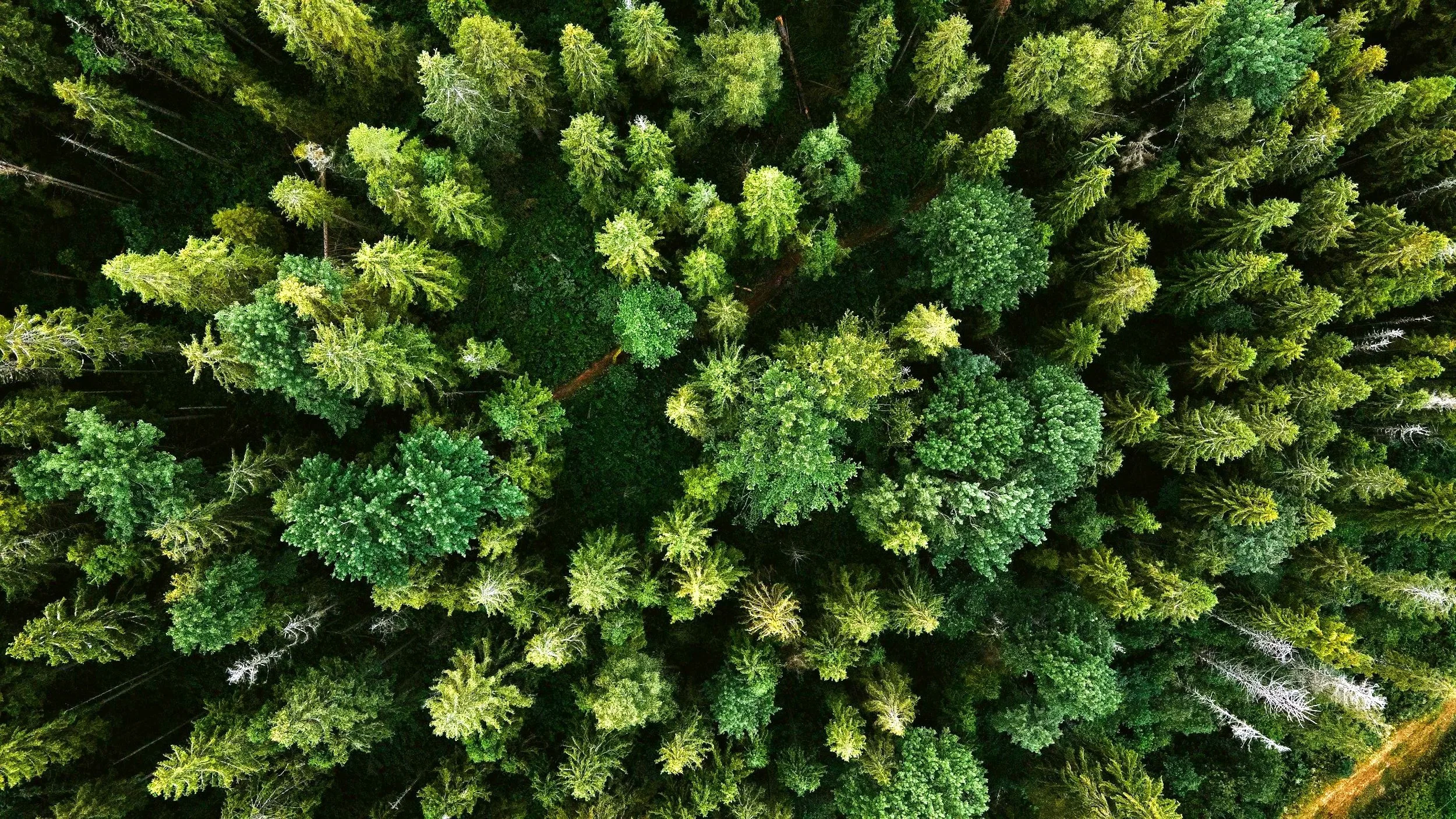
Science is catching up to what ancient peoples have long known: trees heal. Here's the evidence—and why getting into the woods isn't a luxury, it's a prescription.
Step into a forest—really step in, off the trail, away from the trailhead kiosk, past the parking lot—and something happens in the nervous system before the brain catches up. Our shoulders drop. The jaw unclenches. We breathe differently. This isn't poetic license; this is biology.
For the last four decades, researchers around the world have been building a case that would have sounded absurd to most Western physicians just a generation ago: trees are medicine. Not metaphorically. Not as a lifestyle brand or a wellness buzzword. As measurable, peer-reviewed, clinically significant medicine that lowers cortisol, boosts immunity, recalibrates the autonomic nervous system, and reduces symptoms of depression and anxiety.
At Adventure Recovery, this isn't news. We built our entire model on it. But as the research has grown into a global scientific consensus, it's worth slowing down and unpacking the evidence—because understanding why forests heal changes how we approach the wild.

An AR Guide exploring remote parts of the South Pacific
The Forest as Pharmacy: What's Actually Happening in the Body
The story starts with phytoncides, volatile organic compounds released by trees, particularly conifers. Cedars, firs, pines, and spruce are essentially exhaling a continuous stream of these antimicrobial essential oils: alpha-pinene, limonene, d-limonene, and cedrol. When we breathe forest air, we're inhaling a pharmacological cocktail that trees developed over hundreds of millions of years to protect themselves from bacteria and insects.
What happens when that cocktail enters our lungs? Immunologist Dr. Qing Li at Nippon Medical School in Tokyo has spent two decades answering that question. His landmark research, published across multiple peer-reviewed journals, found something extraordinary: forest exposure significantly increases the activity and count of natural killer (NK) cells—the immune system's front-line cancer fighters.
50%+Increase in natural killer cell activity after a single forest bathing weekend, with effects persisting for more than seven days (Li et al., Nippon Medical School)
NK cells, for context, are the immune system's assassins. They identify and destroy virus-infected and nascent tumor cells. Li's studies showed that forest bathing directly acts on NK cells via phytoncide inhalation, inducing increases in the cells themselves as well as anti-cancer proteins including perforin, granulysin, and granzymes. Of note, the same effects were not observed among participants who spent a comparable weekend in an urban environment, including parks.
More striking: these effects lasted. A month of regular forest walks demonstrated sustained NK elevation, suggesting that consistent time in trees builds immune resilience over time—not just a temporary spike.
Cortisol, the Brain on Stress, and the Nervous System Reset
The stress hormone connection is equally compelling. Cortisol—the primary biomarker of chronic stress—drops measurably after time among trees. A systematic review and meta-analysis published in Environmental Health and Preventive Medicine found significant reductions in salivary and serum cortisol following forest exposure across multiple randomized controlled studies.
What forest environments appear to do is shift the autonomic nervous system from sympathetic dominance (the fight-or-flight response that keeps most of us locked in low-grade emergency mode) toward parasympathetic nervous system activation—the physiological state associated with rest, repair, digestion, and connection. Blood pressure falls. Heart rate variability improves. The Profile of Mood States (POMS) test, used in several of Li's studies, showed measurable reductions in anxiety, depression, anger, fatigue, and confusion after forest immersion, with significant increases in vigor.
1/3 less psychological stress experienced by people living in areas with good tree canopy cover, compared to those with minimal green space (University of Illinois research)
The brain's stress processing center, the amygdala, appears to be structurally affected by proximity to forests, according to research. Studies on amygdala integrity suggest that regular forest exposure may improve the brain's hardware for handling stress—not just its software.
Forest Bathing - Shinrin-Yoku: Japan's Radical Prescription
In 1982, the Japanese Ministry of Agriculture, Forestry, and Fisheries coined the term shinrin-yoku—"forest bathing" in English. It wasn't coined by a wellness influencer or a retreat center. It was a government response to a national health emergency: Japan was watching its workforce collapse under technostress, burnout, and soaring rates of stress-related illness brought on by the explosive growth of the technology sector.
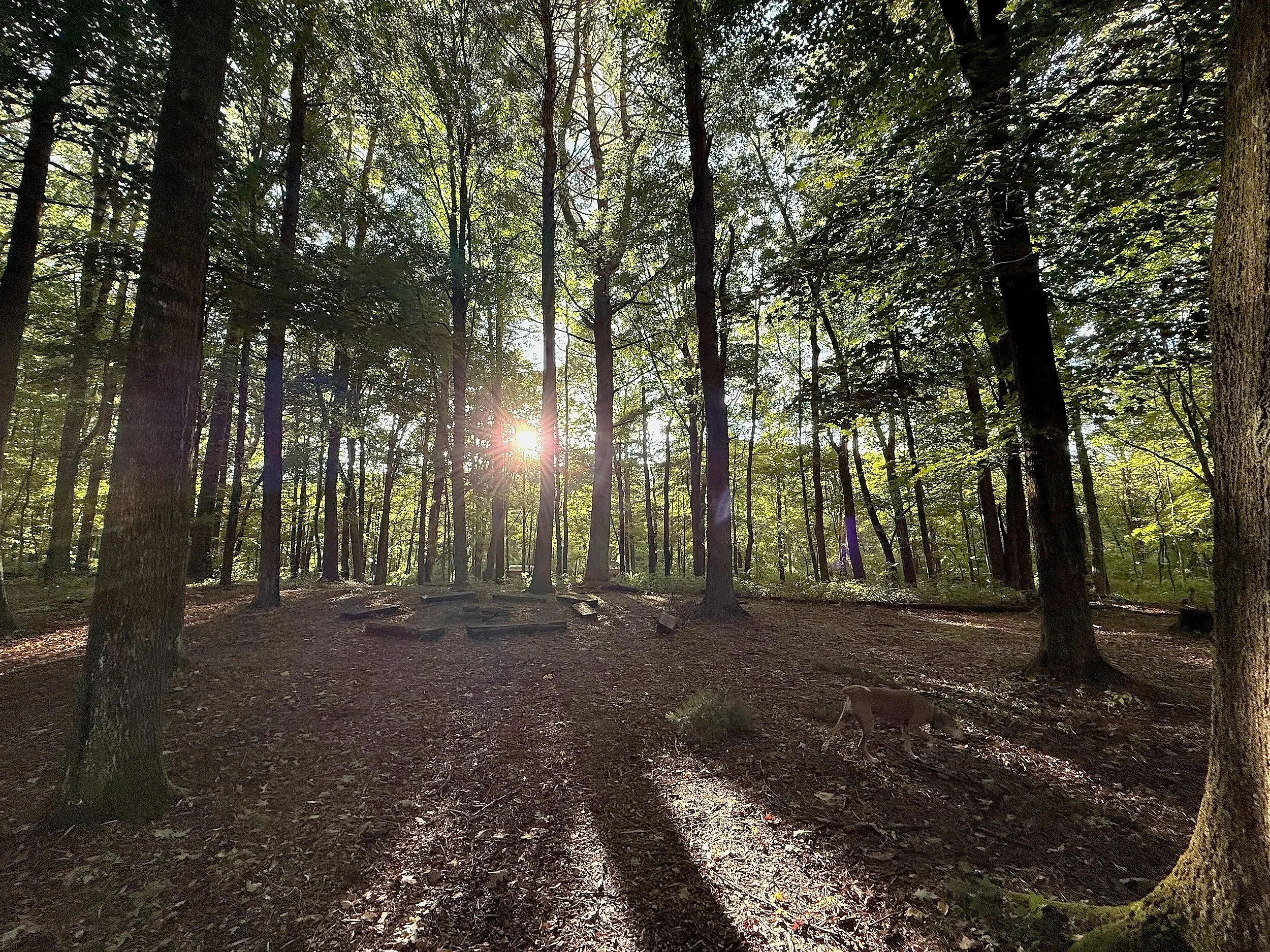
The prescription was beautifully simple: go into the forest. Not to exercise. Not to achieve anything. Just to be there—slowly, sensorially, without agenda. Take in the sight of filtered light through the canopy, the sound of wind in needles, the smell of the forest floor after rain, the texture of bark beneath your palm. Let all five senses engage what the body evolved to engage for millennia.
“Shinrin-yoku is not exercise, or hiking, or jogging. It is simply being in the forest atmosphere and taking it in through all the senses.”— Dr. Qing Li, Forest Medicine, Nippon Medical School
Since 2004, dozens of certified forest therapy trails have been established across Japan, and an entire discipline—Forest Medicine—has emerged as a recognized branch of preventive and alternative medicine. The evidence gathered across these trails is now extensive enough that a 2022 review in Forests (MDPI) concluded forest bathing may have measurable preventive effects on hypertension, heart disease, depression, and cancer development.
A January 2026 review in PubMed synthesized the most current evidence, finding that forest bathing is associated with enhanced NK cell activity, reduced inflammatory cytokine profiles, reductions in cortisol, and shifts toward parasympathetic dominance—with emerging evidence of benefits for cognitive restoration, emotional regulation, and even neurotrophic signaling (the brain's capacity to build new neural pathways).
What Peter Wohlleben Heard in the Trees
While immunologists were measuring NK cells, German forester Peter Wohlleben was listening. His 2015 book The Hidden Life of Trees became an unlikely global phenomenon—a work of popular science that radically reframed how most people understand what a forest actually is.
Wohlleben's argument, drawn from decades of observing forest ecosystems in the Eifel mountains, is that trees are not passive, solitary organisms. They are social. They communicate through root networks and fungal mycorrhizal webs—what scientists now call the "Wood Wide Web"—transferring nutrients, chemical signals, and what Wohlleben suggests is something disturbingly close to information between trees. Mother trees nurture their seedlings. Injured trees send distress signals. Trees of the same species appear to moderate their canopy growth to allow neighbors to receive adequate light.
What does this have to do with human health? Everything, if you're willing to sit with the implications. A forest is not a backdrop. It is a community—a living, communicating, interdependent network that has been practicing mutual aid for 385 million years. Entering it, you're not stepping into a gym with better air quality. You're entering a society that operates on principles radically different from the hyper-individualist, achievement-saturated environment that's burning most of us out.
On the AR Shelf: Key Texts on Tree Science and Healing
The Hidden Life of Trees — Peter Wohlleben (2015). The book that changed how millions of people see forests—as communicating communities, not collections of lumber.
Trees and How They Work— Paul Rudnicki (2021). Rigorous, accessible science on tree physiology: how trees move water, sense their environment, and respond to stressors in ways that parallel animal biology.
Last Child in the Woods— Richard Louv (2005). The book that coined the term "nature-deficit disorder” and launched a global movement to reconnect humans—especially children—to the natural world.
Forest Bathing— Dr. Qing Li (2018). The primary scientific architect of Forest Medicine makes the clinical case accessible in everyday language.
Nature-Deficit Disorder: When We Cut the Connection
In 2005, journalist and child advocacy expert Richard Louv published Last Child in the Woods—a book that named something many people felt but couldn't articulate. He called it nature-deficit disorder: not a formal clinical diagnosis, but a description of the human costs of alienation from the natural world.

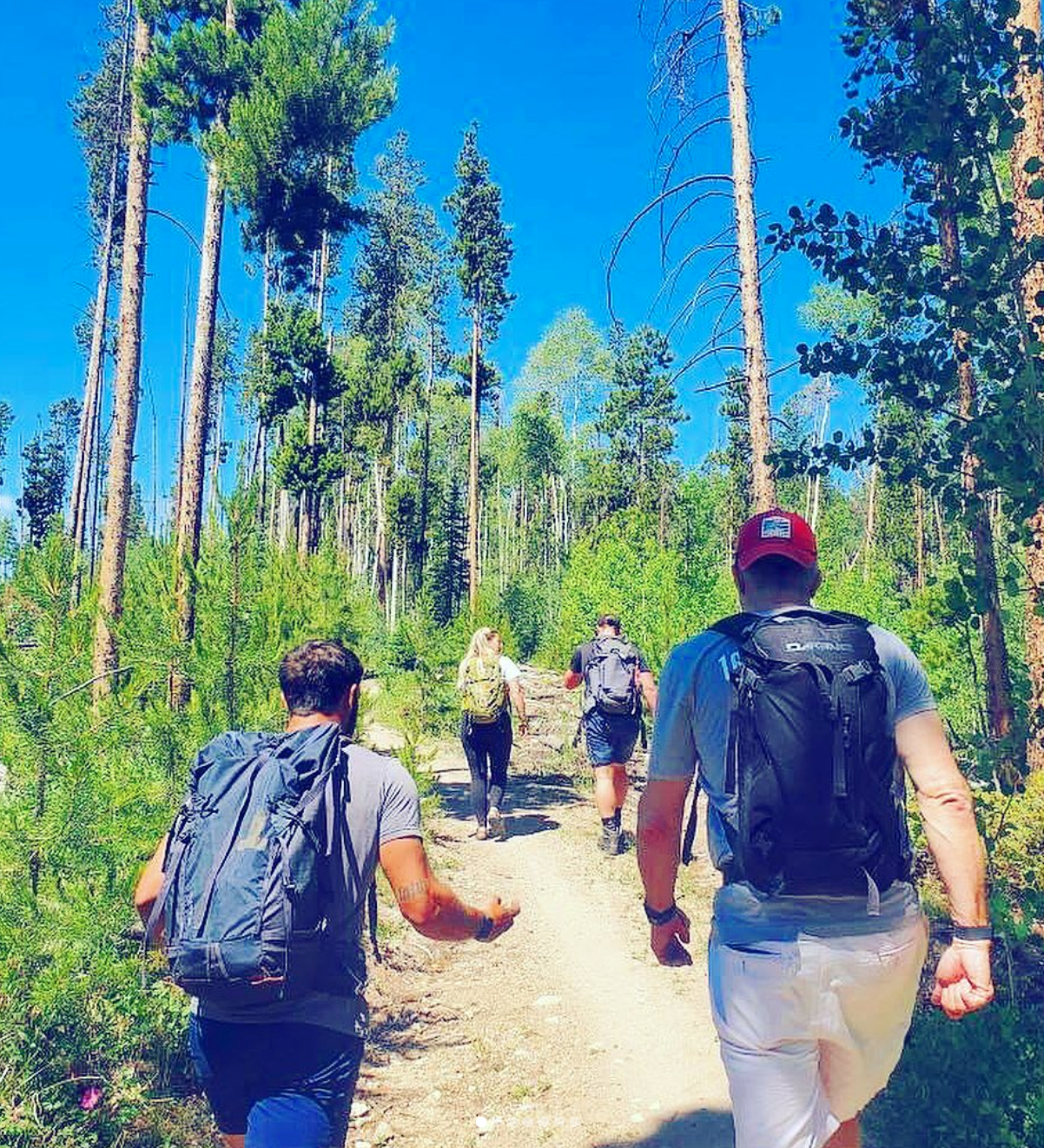
View from an AR hike
"Nature-deficit disorder is not a medical condition," Louv wrote. "It is a description of the human costs of alienation from nature. This alienation damages children and shapes adults, families, and communities." He linked the growing disconnection directly to rising rates of attention disorders, depression, obesity, and anxiety in young people, findings that mapped closely onto a generation spending dramatically less time outdoors and dramatically more time in front of screens.
The data since Louv's book has only strengthened his case. A 2023 global report from the International Union of Forest Research Organizations (IUFRO) assessed scientific evidence across dozens of countries and confirmed that forests reduce health risks across multiple domains—mental well-being, immune function, cardiovascular health, and thermal stress. The report emphasized that the pathways are multiple and simultaneous: the visual stimulus of a canopy reduces amygdala activation; the sound of wind in trees masks urban noise pollution and lowers blood pressure; phytoncides boost NK cell activity; the simple act of walking on uneven ground demands present-moment attention in ways that interrupt the default-mode rumination that underlies so much depression and anxiety.
What Louv understood intuitively, and what science now confirms, is that the relationship between humans and forests is not decorative. It is biological, ancient, and necessary. We evolved in forest and savanna environments. Our nervous systems were calibrated in them. The urban, screen-saturated, hyper-stimulated environments in which most of us now spend 90% of our time are, in evolutionary terms, extraordinarily novel, and our bodies and minds are paying the price.
The Disconnection from Nature and Addiction
In the mental health and substance use disorder space, this disconnection is palpable and intimately attached to the disconnection we experience in active, destructive behaviors. Studies have shown that tech can be positive in some ways and harmful in others. The data also reveal that as society has evolved, humans are often more isolated, particularly due to technological saturation. This combination impacts all of us and has led to a massive gap in mental health. We sit with phones in hand, swiping and sinking into absence, and it's affecting the brain, our ability to pay attention, memory, and cognition. Addictive patterns were prevalent long before smartphones, but now, with the incessant notifications, texts, emails, calls, and happy hormone crashes, addiction is rampant, and it’s not unusual; it’s the norm. We’ve been trained to loop on dopamine hits, chasing them into oblivion. This makes sincere connection even harder.
When we are untethered from healthy, sustained relationships and distracted by endless surfaces, we can grow despondent and adopt maladaptive coping mechanisms. We’ve been hearing about this over the last five years, especially following the intense isolation of the COVID pandemic. The intensity of the demands on the human brain in modern life has left an important part of our well-being out of the equation: nature. We’re so removed from what we once had that we don’t even realize it’s important anymore. Many of us don’t even know how to get outside skillfully. That is not anyone’s fault. But it’s something worth examining, and this is a big part of why scientists have been exploring the connection for the past 25 years. The clinical findings regarding nature’s impact on physiological and psychological health are significant. What’s more, they’re empowering. Getting outside is something we can—and need to—do.
Nature-Based Therapy: From Intuition to Evidence-Based Practice
The clinical application of nature-based findings has moved quickly. Nature-based therapy (NBT) is now a recognized modality within mental health practice, encompassing a spectrum of interventions from structured forest bathing to wilderness therapy programs, horticultural therapy, and ecotherapy.
A systematic review published in Environmental Health and Preventive Medicine evaluated randomized controlled trials on forest therapy and found consistent evidence of reduced anxiety, depression, and physiological stress markers across diverse populations—from university students to elderly adults with chronic illness. A 2024 study in Frontiers in Forests and Global Change demonstrated that individual forest walking over a single month significantly improved cognitive flexibility, executive function, and heart rate variability in older adults compared to urban walking controls.
The Nature and Forest Therapy Guides and Program (ANFT) has trained hundreds of certified guides across the United States. The Association for Experiential Education, the Outdoor Behavioral Healthcare Council, and a growing body of academic research programs are building the evidence base and professional infrastructure for a field that, like so many disruptive healthcare innovations, the conventional medical system has been slow to integrate.
But the evidence is no longer fringe. Harvard Health Publishing cited forest therapy's demonstrated ability to reduce cortisol, improve attention, boost immunity, and lift mood. The Lancet has published research on the measurable reductions in mortality associated with urban tree cover. The science is there. The question is whether we will catch up to what the forest itself has always known.
Disconnect to Reconnect
This is the thesis at the core of everything we do at Adventure Recovery. Not the pharmaceutical maintenance program. Not the clinical office with the beige couch and the fluorescent hum. Those things have their place. But they are not sufficient for all, and for many people navigating addiction, trauma, depression, and the particular anguish of feeling profoundly disconnected from themselves and others, they are not even the most important thing.
Getting outside is. Into actual wilderness, or as close to it as you can get. Into the kind of environment where our nervous system recognizes something ancient and essential. Where the amygdala finally gets a break from scanning for social threat. Where the body can remember—because it is built to remember—that it knows how to be well.
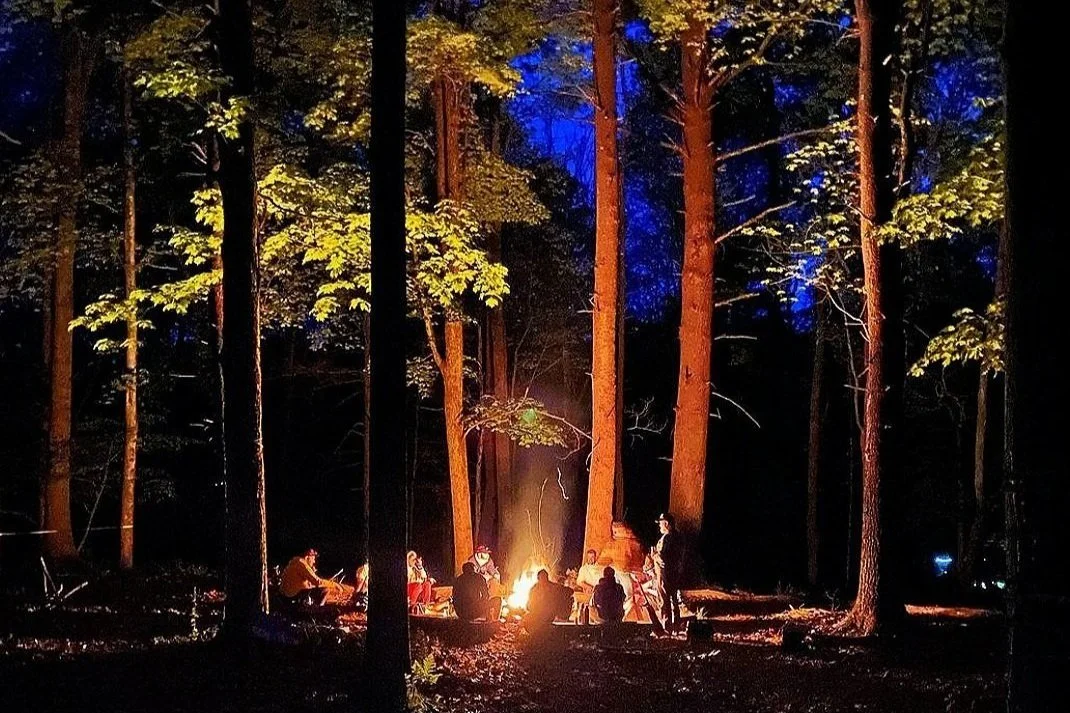
An AR group enjoying time in the trees
The founder of adventure therapy as a clinical discipline, L.S. Alvarez, and the legacy of organizations like NOLS (National Outdoor Leadership School) and Outward Bound pointed toward this long before the research caught up: challenge in nature, with skilled guides and genuine risk, builds the self-efficacy, emotional regulation, and relational trust that no classroom or clinic can fully replicate. We are the NOLS of recovery—which is to say, we take the therapeutic container seriously enough to take it outside.
In every walk with nature, one receives far more than one seeks.— John Muir
Forest bathing is the gentle on-ramp. A whitewater rafting trip is one lane; backcountry snowboarding is another. Wilderness expeditions are the advanced curriculum. These modalities work because the forest is working, chemically, neurologically, immunologically, the moment we step into it. Our job is just to show up and let the body do what it has been designed, over hundreds of millions of years of co-evolution with trees, to do.
How to Begin: Practical First Steps in Forest Medicine
Start slow and engage the senses
Time in the forest is not just a workout. It can be, if you prefer to exercise in the trees—do it, but if you’re in need of some nature medicine, just get out there. Find a wooded area: a state park, a trail with tree cover, even an urban park with a mature canopy, and walk. Leave the earbuds behind if so inclined. Leave the fitness tracker in your pocket. Let your pace become natural and take it in. Notice the sounds, the sights, the scents. Allow your physiology to steer the way.
Use all five senses deliberately
The research suggests that phytoncide absorption, amygdala modulation, and the full suite of forest-bathing benefits come from multi-sensory engagement. Touch bark. Smell the forest floor. Sit and listen. Let your eyes go to a soft gaze instead of scanning or focusing intently. Notice the quality of light through the canopy at different times of day. This is not indulgence or wasted time; this is the mechanism. When we come back to our senses, we allow our mind and bodies to regulate.
Regular practice
Research on the immune system and cortisol suggests that consistent, regular forest exposure yields sustained benefits. Aim for two to three hours per week in meaningful tree cover as a baseline—and understand that even 20 minutes of a lunch break in a tree-lined park has measurable physiological effects. The consistent time dedicated to yourself and nature yields positive esteem and creates an oasis from which to draw during moments away from the sanctuary.
Go further when ready
There is a spectrum from a gentle park walk to a multi-day wilderness expedition—and every point on that spectrum has therapeutic value. At Adventure Recovery, we meet people where they are. If you've never spent a night outside, that's where we start. The forest doesn't grade on a curve. It just receives you, exactly as you are. All we have to do is show up.
The Research on Trees and Mental Health
Time in forests has been shown to reduce cortisol (the primary stress hormone), lower blood pressure, increase natural killer cell activity by 50% or more, shift the autonomic nervous system toward parasympathetic dominance, reduce symptoms of anxiety and depression, improve cognitive function and attention, and boost serotonin levels. These effects have been documented across randomized controlled trials, systematic reviews, and meta-analyses. They are not anecdotal. They are not alternative. They are science.
Tree Medicine: The Root Truths
The trees were always there. Our grandparents knew, in their bones, that time in the woods was good for you—even when they couldn't explain why. Now we can explain why. The phytoncides, the amygdala reset, the cortisol drop, the parasympathetic shift—it is all mapped, measured, published in peer-reviewed journals, and most importantly, experienced by us whenever we set foot into the forest.
Science has given us permission to take seriously what intuition always suggested: that healing doesn't happen exclusively in offices, with prescriptions, diagnoses, and treatment plans. Some of the most profound medicine on the planet has been growing at the edge of the trailhead for 385 million years, waiting—patiently, chemically, biologically—for us to come back.
We guide people into that medicine every day. We call it Adventure Recovery. The trees call it home.
Go outside. Go often. Go deeper than you think you need to.
Adventure Recovery Programs
Ready to step into the wild?
We meet you where you are—and guide you further than you thought you could go. Nature-based programming for individuals, families, and organizations. Join us outside.
Sources & Further Reading
Li, Q. (2022). "Effects of forest environment (Shinrin-yoku/Forest bathing) on health promotion and disease prevention—the Establishment of Forest Medicine." Environmental Health and Preventive Medicine. PMC9665958.
Li, Q. et al. "Effect of forest bathing trips on human immune function." Environmental Health and Preventive Medicine. PMC2793341.
Roviello, G.N. et al. (2026). "Forest Bathing (Shinrin-yoku) and Preventive Medicine: Immune Modulation, Stress Regulation, Neurocognitive Resilience, and Neurological Health." PubMed. PMID 41718142.
Vanroy, T. et al. (2025). "Forest biodiversity and structure modulate human health benefits and risks." Nature Sustainability.
Pichlerová, M. et al. (2024). "Forests serve vulnerable groups in times of crises: improved mental health of older adults by individual forest walking during the COVID-19 pandemic." Frontiers in Forests and Global Change.
Clark, C. et al. (2023). "Forest features and mental health and wellbeing: A scoping review." ScienceDirect / Landscape and Urban Planning.
IUFRO Global Forest Expert Panels. (2023). "Forests and Trees for Human Health: Pathways, Impacts, Challenges and Response Options." International Union of Forest Research Organizations.
Nuccitelli, D. (2023). "The little-known physical and mental health benefits of urban trees." Yale Climate Connections.
Canopy.org. (2022). "Impacts of Trees on Mental Health." Canopy.
Harvard Health Publishing. (2020). "Can forest therapy enhance health and well-being?" Harvard Medical School.
Louv, R. (2005). Last Child in the Woods: Saving Our Children From Nature-Deficit Disorder. Algonquin Books.
Wohlleben, P. (2015). The Hidden Life of Trees. Greystone Books.
Rudnicki, P. (2021). Trees and How They Work. Smithsonian Books.
Li, Q. (2018). Forest Bathing: How Trees Can Help You Find Health and Happiness. Viking.
Images courtesy of Adventure Recovery crew members and unsplash.